
Kraljević in Conclusion
A general interpretation of drawing as an immediate and accessible for of artistic expression is clearly mirrored in our art history in the work of Miroslav Kraljević (1885-1913), one of our finest draughtsmen. A passion for drawing, a sharp mind, a shrewd eye, as well as an exceptional mastery of the craft, all these are the qualities that inevitably make Miroslav Kraljević a point of reference. A selection from Miroslav Kraljević’s anthological drawings from the holdings of the Department of Prints and Drawings, Croatian Academy of Sciences and Arts, highlights the important definitions of his creative approach and underlines the significance of his drawing contribution to both national and European cultural heritage. A presentation of the works from the Parisian period (1911/1912) introduces us into a one-year stint of a sudden creative maturation and artistic peak, marked by a constant inspiration from immediate surroundings, personal life and experience of the bustling Parisian metropolis in all its opposites – beauties and atrocities, refinement and debauchery, mundane luxury and poverty.
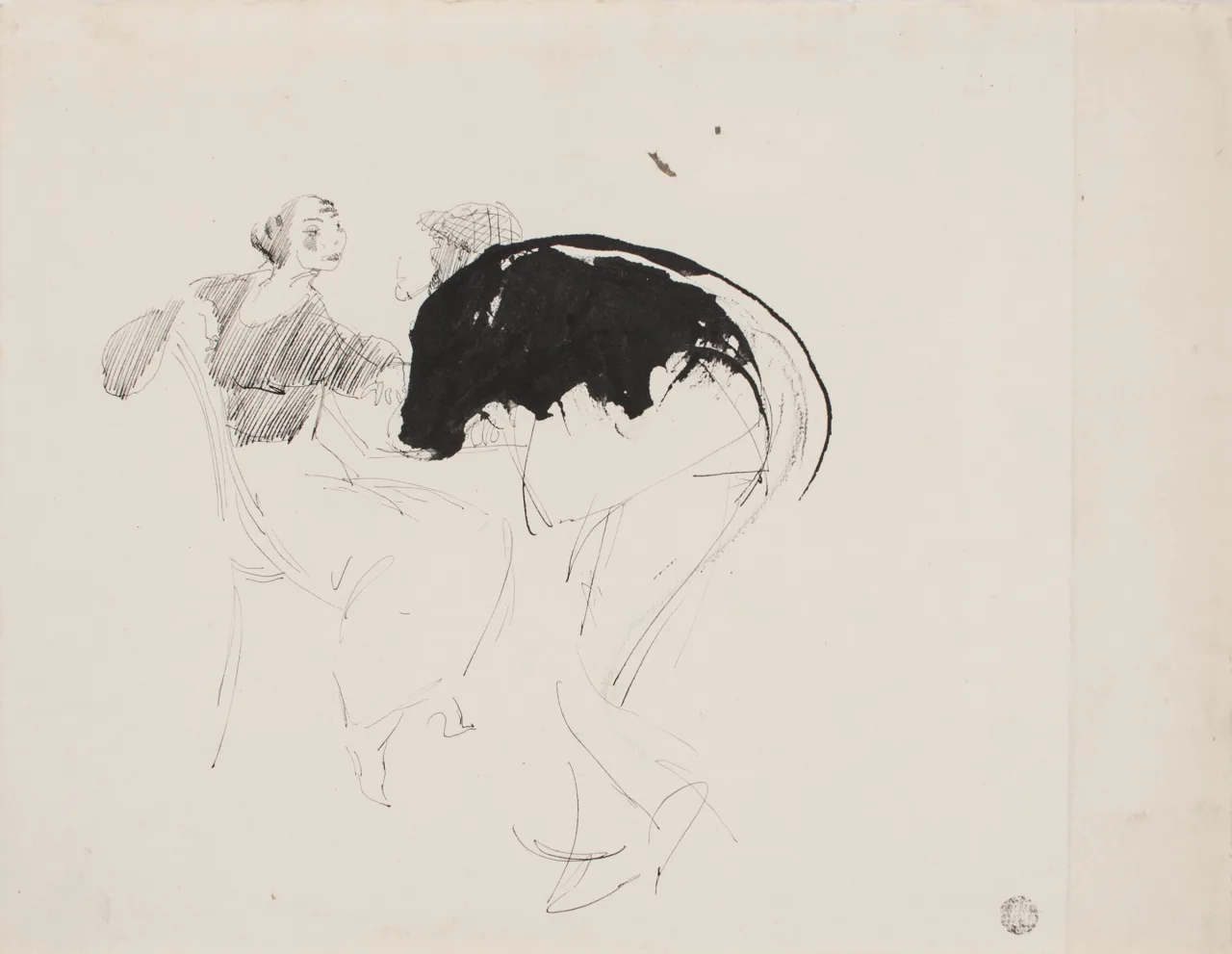
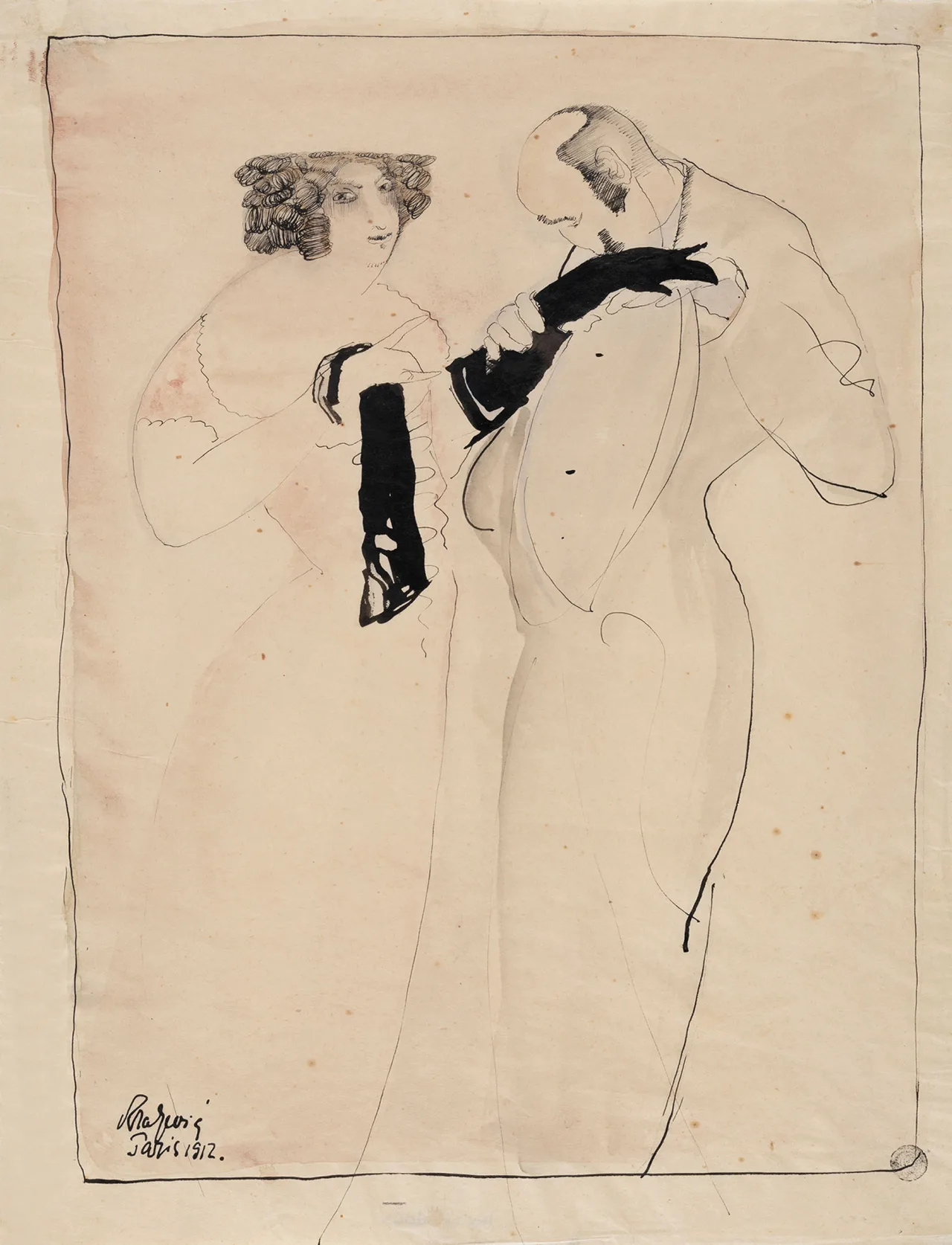
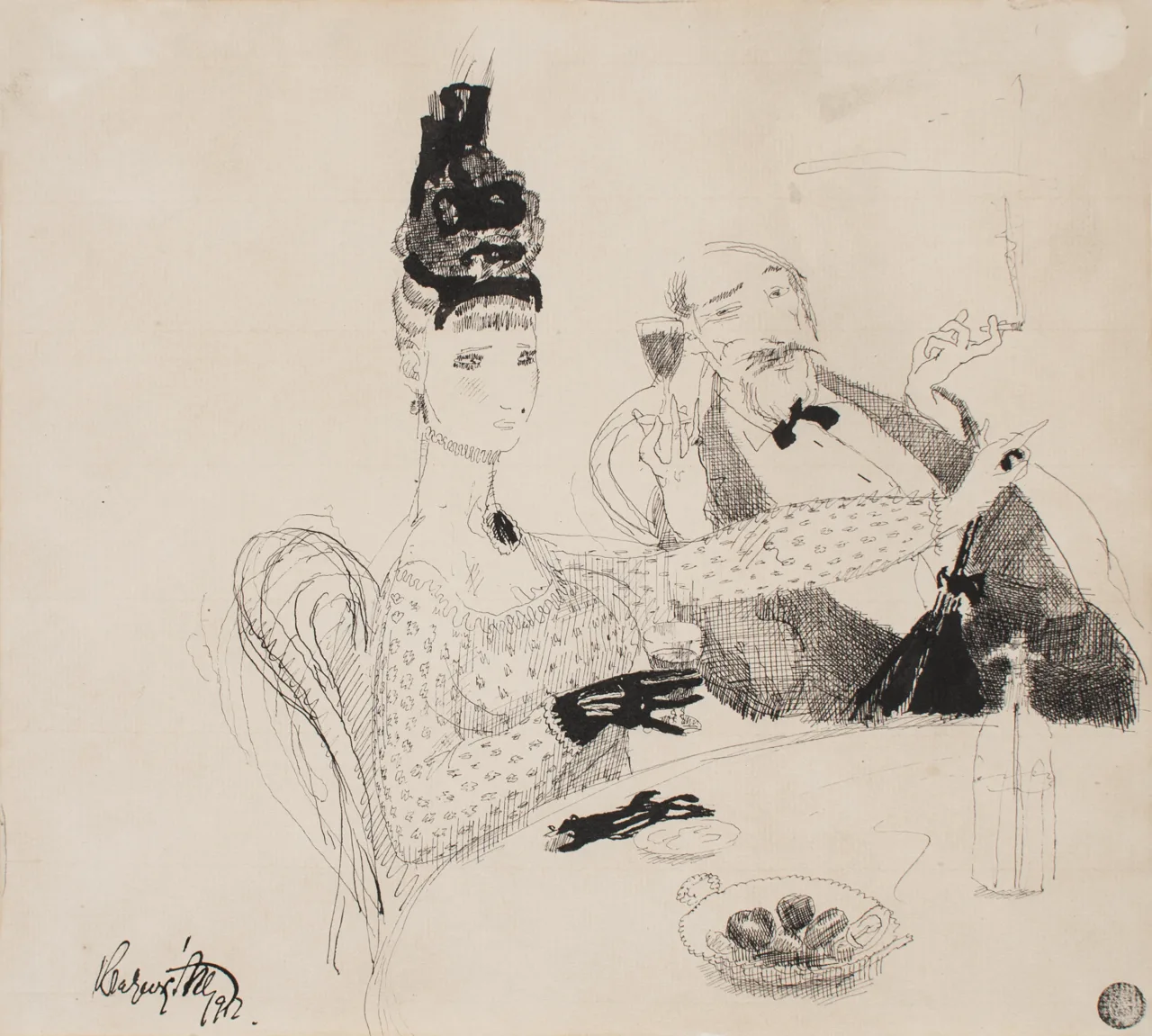
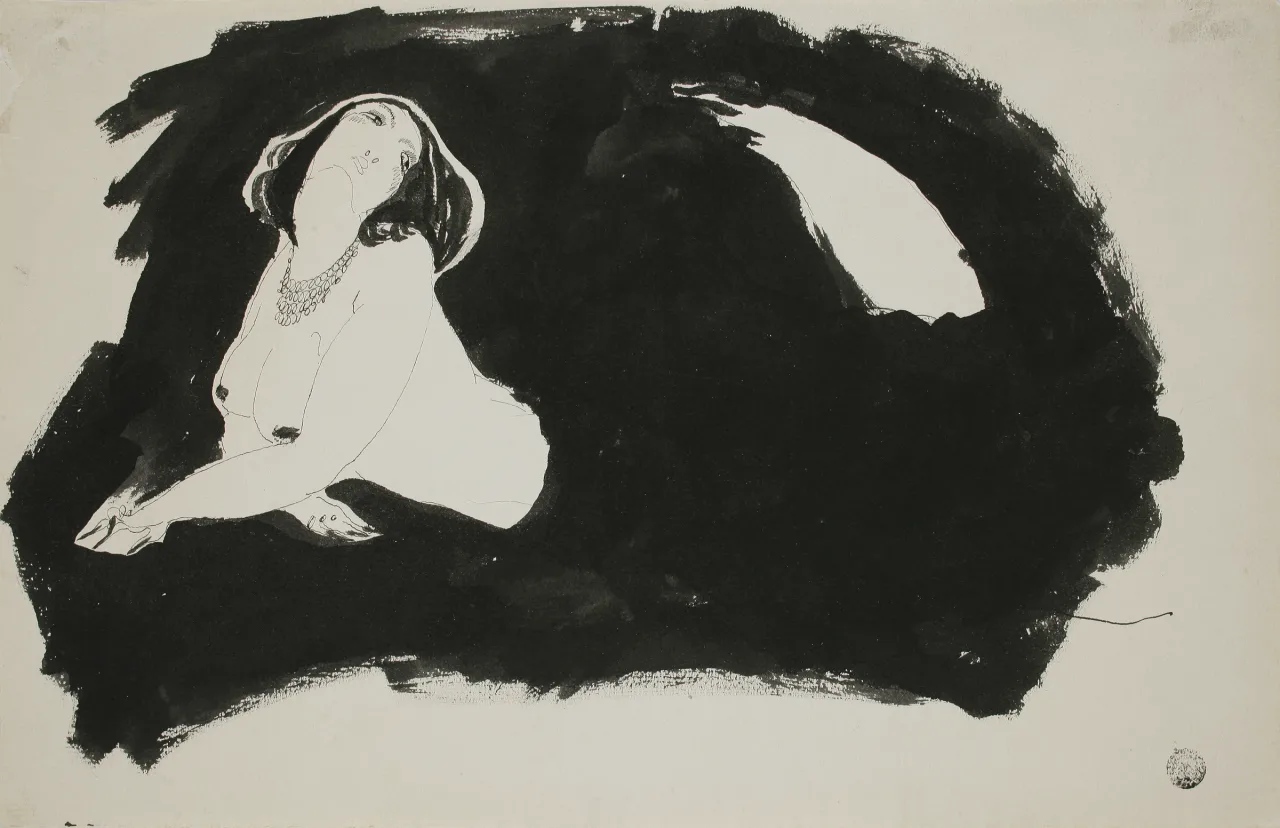
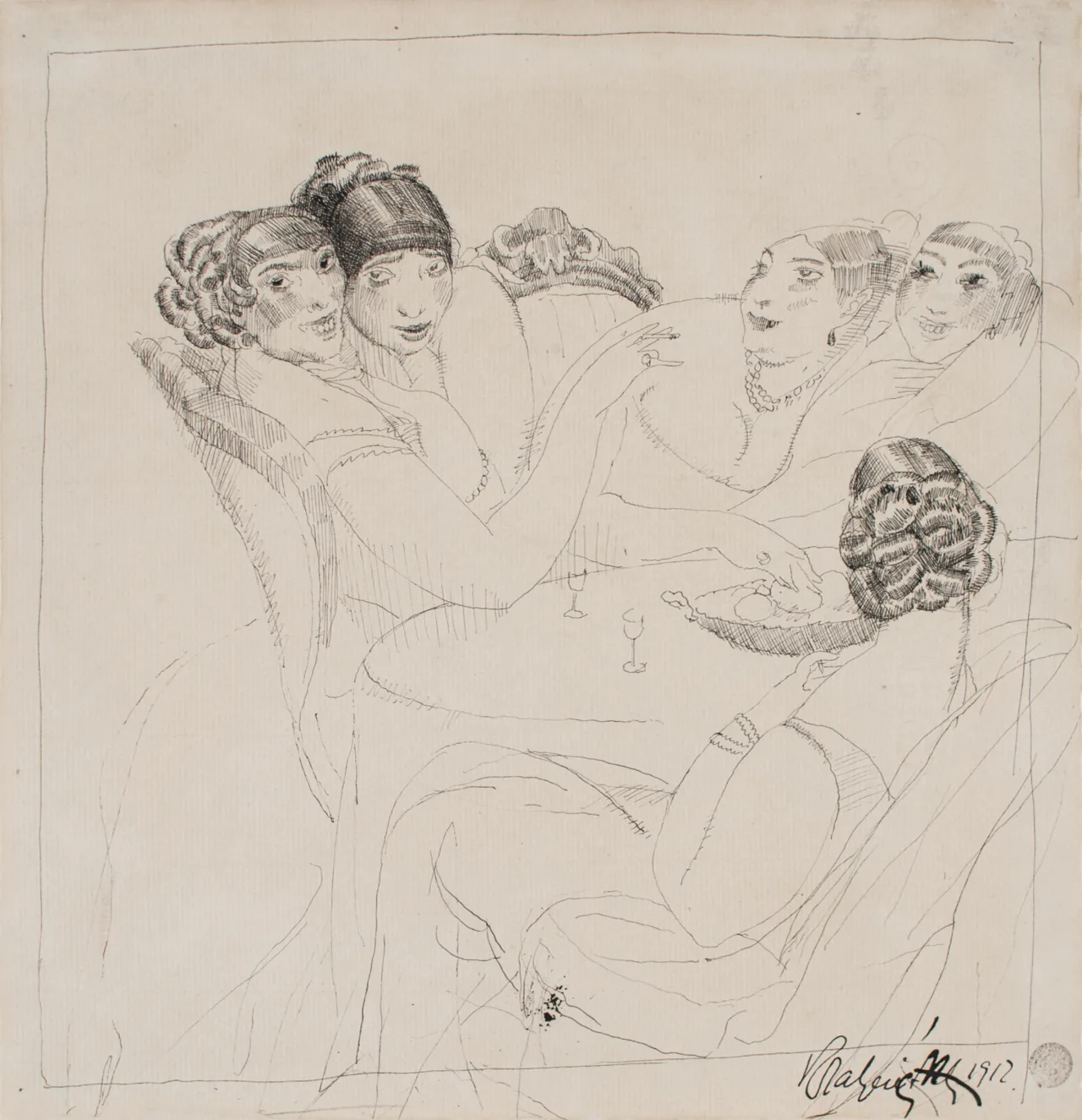
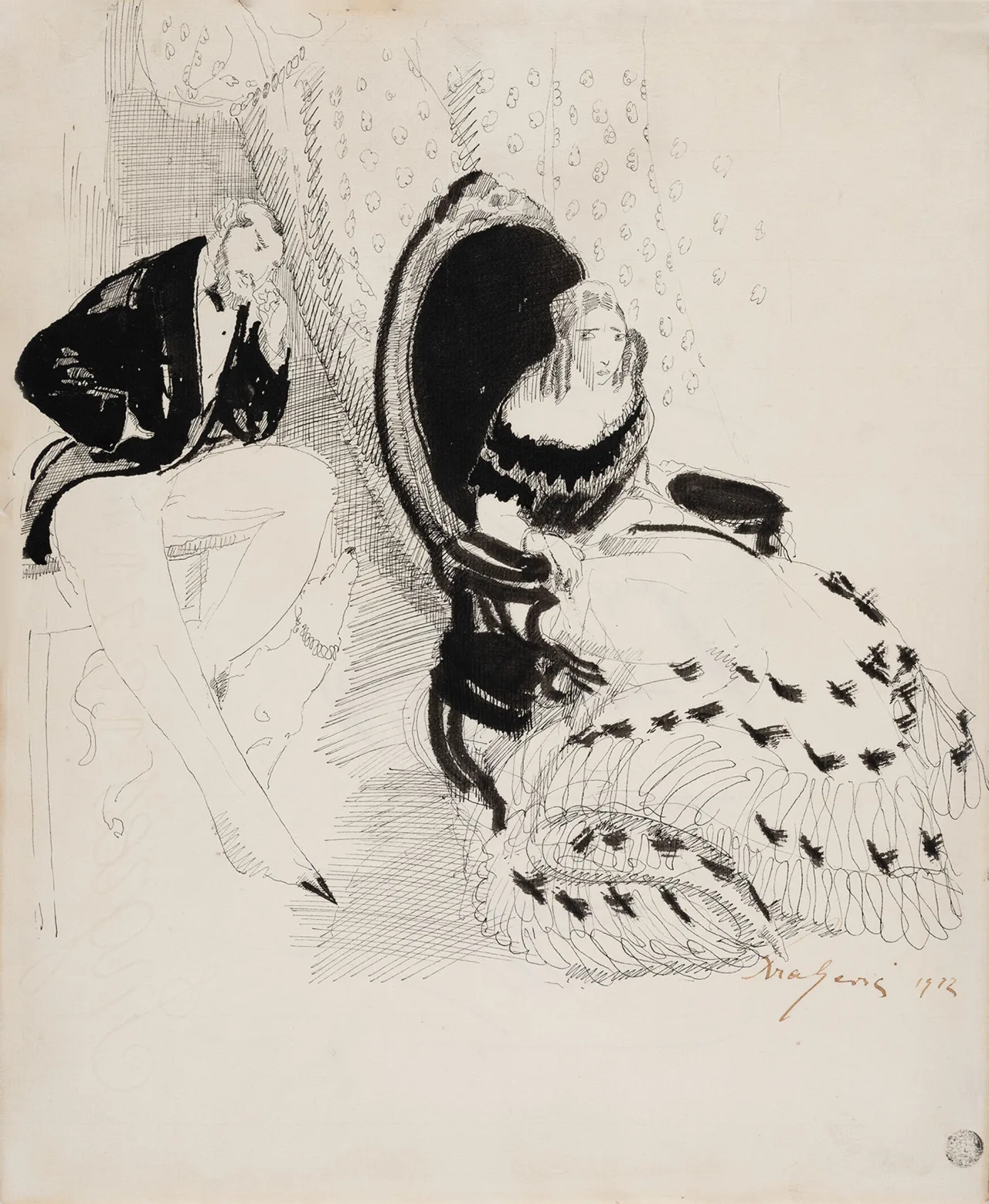
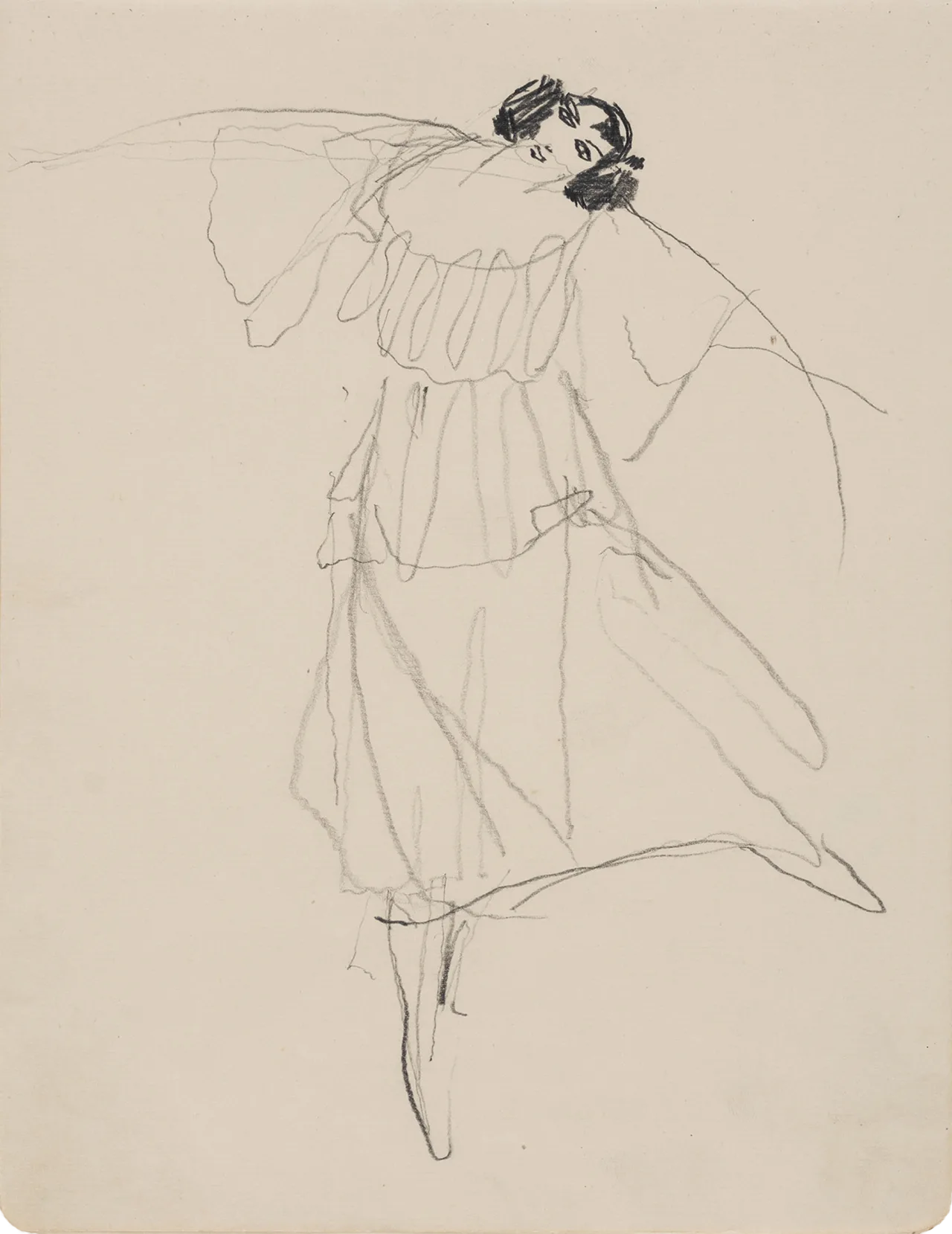
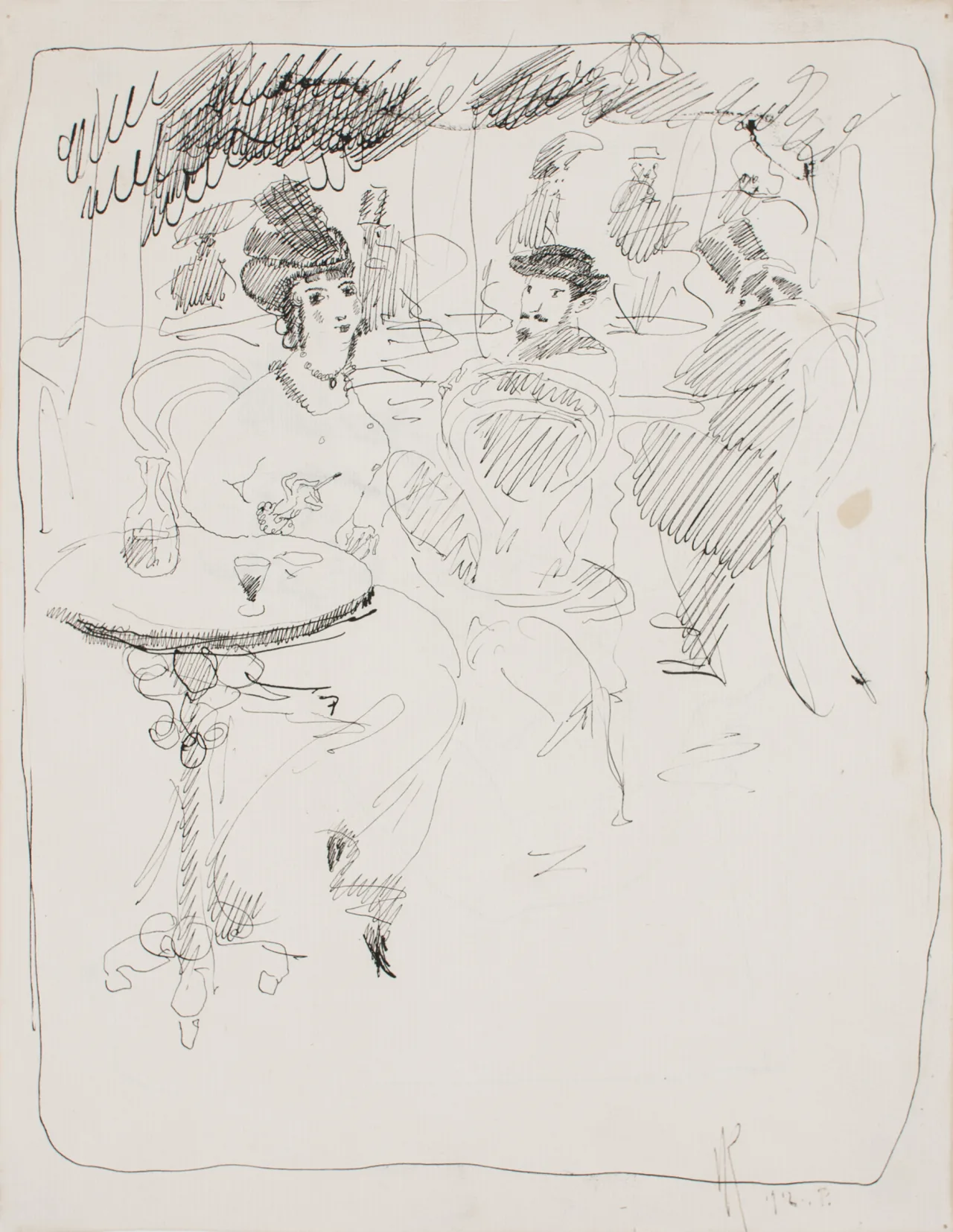
A general interpretation of drawing as an immediate and accessible for of artistic expression is clearly mirrored in our art history in the work of Miroslav Kraljević (1885-1913), one of our finest draughtsmen. A passion for drawing, a sharp mind, a shrewd eye, as well as an exceptional mastery of the craft, all these are the qualities that inevitably make Miroslav Kraljević a point of reference. A selection from Miroslav Kraljević’s anthological drawings from the holdings of the Department of Prints and Drawings, Croatian Academy of Sciences and Arts, highlights the important definitions of his creative approach and underlines the significance of his drawing contribution to both national and European cultural heritage. A presentation of the works from the Parisian period (1911/1912) introduces us into a one-year stint of a sudden creative maturation and artistic peak, marked by a constant inspiration from immediate surroundings, personal life and experience of the bustling Parisian metropolis in all its opposites – beauties and atrocities, refinement and debauchery, mundane luxury and poverty. These seemingly feverish records of social reality, registered with journal-like stamina, could be synthesised into several important Kraljević’s thematic preoccupations – from self-portraits and portraits, to the male-female persuasion play, i.e. tactics of seduction and courtship imbued with café and brothel iconography (Man and Woman at Table, Courting, Woman and Man at Table), erotism most consistently pervaded by the omnipresent theme of a diabolical femme fatale (Nude in Black, Women at Table), to literary inspirations (Question) or theatrical productions (Ballet Dancer). In addition to the self-portraits, like the one from 1909, Kraljević’s somewhat caricatural physiognomic traits are often discernible in drawings depicting other subjects, such as In a Garden at a Café Table, where, burdened by illness, he examines his existence as a lonely observer of life. Using the simplest materials – paper and drawing tools like pencil, charcoal, chalk, ink and quill, i.e. brush, in the wake of Apollinaire’s principles of sudden intense experiences and quick humorous expression, in a succinct handwriting bordering between description and abstraction, he draws out the daring chronicles of his personal obsessions. With a large dose of cynicism, but no judgment, Kraljević documents the manifoldness and diabolicalness f human nature and the force of instincts in a dark alchemy of lover’s lust. The speed and ease of the artist’s confident quill stroke, the virtuosity of the confident hand, as well as deliberate unfinishedness, can trick into the conclusion that all of Kraljević’s drawings are made only in salons, bars, cafés, parks, variety theatres, brothels or theatres. While notepads whose pages contain pencilled concise first-class depictions of the avant-garde ballet of the Russian Sergei Pavlovich Diaghilev’s company which thrilled both Paris and other European capitals with their performances since 1909, testify of the artist’s work in immediate surroundings, the more complex and elaborate compositions in ink or pastel were made in the privacy of his studio. It is drawing that most radically manifests the magnificence of Kraljević’s creative thought and his authentic artistic idiom. Shaped in the tradition of academism, familiar with dramatic upheavals in the design and notion of a work of art at the turn of the century, thanks to his personal openness to the new, Kraljević built his signature vein on the influences and paraphrases of different styles – from baroque and rococo, to realism and symbolism, to impressionism and post-impressionism, as well as individual artistic role models (Jordaens, Goya, Guys, Manet, Degas, Toulouse-Lautrec, Cézanne…), achieving an altogether personal, complex expression of his own. In this unity of diversity, in the thematic and iconographic innovations, a new concept of space and compositional choices, and the accentuated flatness and expressivity, the upcoming generation identified the wellspring of a new spirit, as well as the guidelines on whose grounds they kept building Croatian art.
Ana Petković Basletić